Turkish Wine Selection: Erciş Karası

It’s a good thing that grapes aren’t afraid of heights because this month’s featured variety comes from Turkey’s highest vineyards. In our month-by-month tasting plan, October is all about Erciş Karası.
Meet Erciş Karası
We’ve mentioned more than a few times the modern naming convention for Turkish black grapes: that they’re usually called “the black of Place X” after their native location. With that in mind, where do we all think Erciş Karası is from?
I hope you guessed Erciş!

Erciş is a municipality in the northeastern province of Van. If you’re looking at a map of Eastern Turkey, your eyes are quickly drawn to Lake Van. Erciş perches on the northeast tip of the lake, very close to the Turkey-Iran border.
The Lake Van Plain sits at about 5,660 feet above sea level—that’s over one mile high. The climate here is continental with mild summers hovering between 71.6 and 77 °F, and cold and snowy winters. While average winter temperatures can dip as low as 26.6 °F to 10.4 °F, it’s not unheard of for nighttime lows to reach −22 °F.
An Urartu Legacy
We talk a lot about the Hittites and Assyrians when discussing wine history in Turkey, but often overlook the importance of the Urartu Kingdom. Also known as the Van Kingdom, Urartu was an Iron Age kingdom that ruled a wide swath of Eastern Anatolia, Armenia, Iran, and Iraq from the 9th to 6th centuries BC.
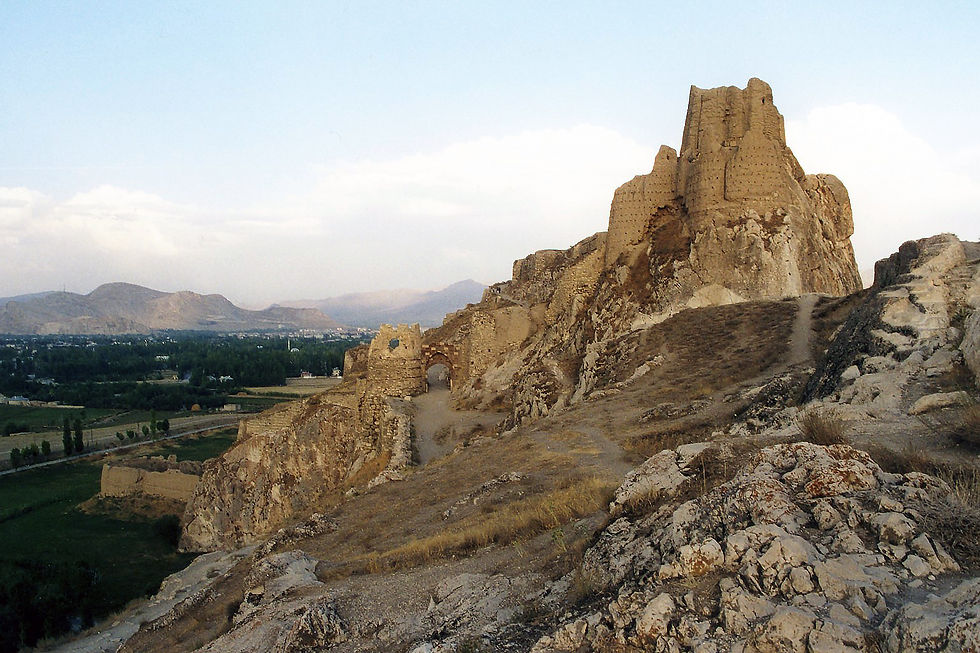
As with the Hittites and Assyrians, wine played a large role in the kingdom outside religious ceremonies. It was a highly valued commercial commodity exported to other regions and kingdoms, including to the Assyrians. One might posit that the Urartu’s more grape-favorable land was one factor that lead to the Assyrian invasion of the kingdom. In fact, Sargon the Second, one of Assyria’s kings, is to have said about Urartu that: “The grapes were falling down like rain, and the wine was flowing like the water of a river.”
Urartian kings dedicated resources to building canals for vineyard irrigation, cutting terraces into the steep mountainous slopes, and prescribing the planting of vineyards as well as digging wine cellars for storage.
Erciş Karası in a way is a time capsule. While the vines around Van are young by Urartian historical standards (35-55 years on average), their existence is one of the oldest surviving archaeoenological indications of winemaking history in Turkey.
In the Vineyard
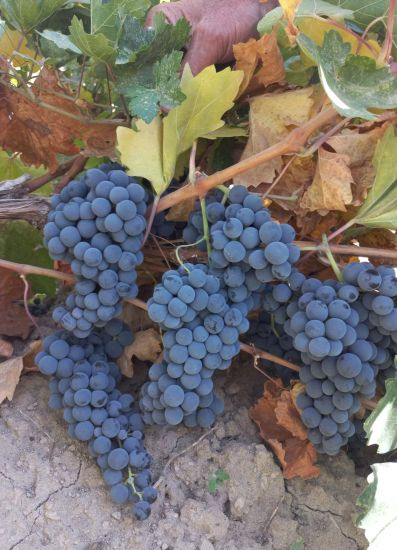
With its high elevation and continental climate, the area experiences severe temperatures far exceeding what a grape vine can normally stand. Remarkably, Erciş Karası thrives in this inhospitable environment.
Lake Van itself is fascinating. It sits in an enclosed basin surrounded by high mountains and volcanic cones. A long ago lava flow blocked the lake’s natural drainage. Over the following millennia, the water has turned brackish and alkaline. It’s so salty, in fact, that it doesn’t completely freeze during the harshly cold winters.
During the summer, cool breezes blow across the lake and help mitigate the heat and scorching UV radiation from the high altitude—grapes get sunburned too. During these warm months the lake gathers solar energy, releasing the trapped warmth to the vines during the winter to keep them from freezing.
This complicated interplay allows the round, purple-black Erciş Karası grapes to ripen slowly on their large, heavy bunches. The significant day-night temperatures swings help the grapes retain their bright acidity while reaching full phenolic ripeness in time for a mid-September harvest.
In the Winery
Erciş Karası grapes produce medium-bodied, low-tannin wines with high acidity and generally fruit-forward flavors of plum, blueberry, mulberry, spice, and purple flowers.
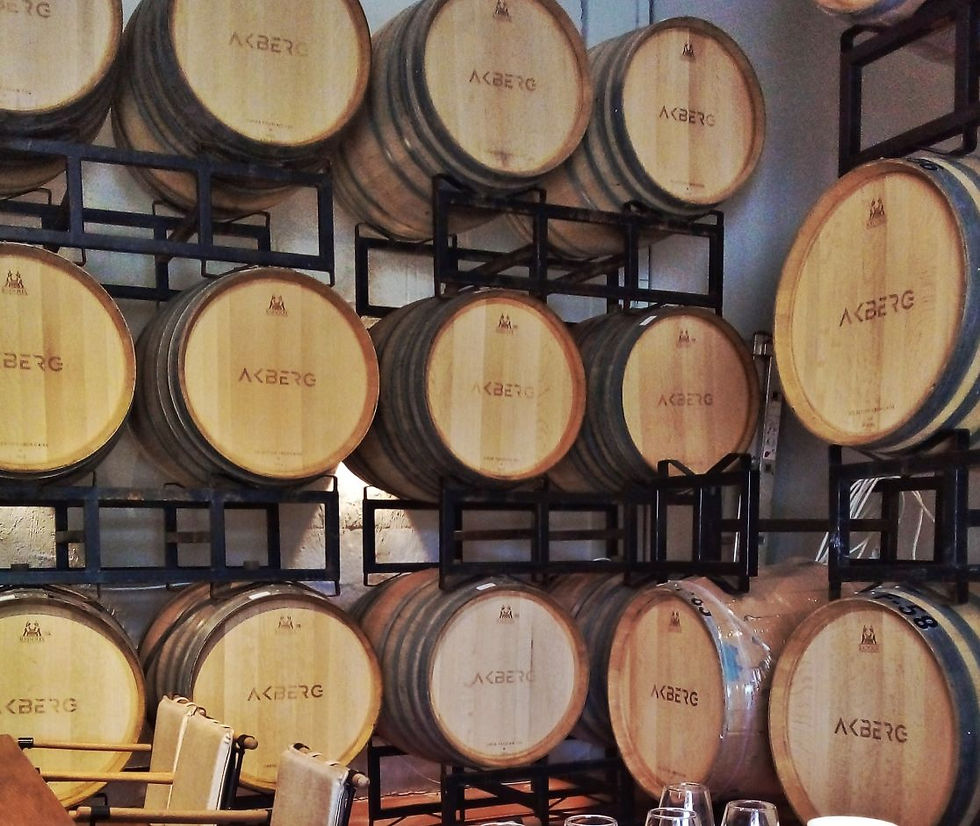
While there are only a couple producers working with the grape right now, they are experimenting with different winemaking methods and wine styles. It takes well to oak and can develop additional flavors of sweet spices, vanilla, and caramel when aged in wood. When fermented or aged in clay, Erciş Karası takes on candied, red fruit flavors and intriguing notes of black sesame.
With its high acidity and vibrant flavor profile, it shouldn’t be a surprise that it also does well in rosé form where, despite the deep color of the grapes themselves, it creates delicate pink wines.
Wines to Try
As mentioned, very few wineries work with this grape at the moment. That’s partially due to how slowly wineries are willing to take on the expense and risk of working with new or unproven grapes. In the case of Erciş Karası, there are additional roadblocks. None of the three wineries currently working with the grape actually own the vineyards. They rely entirely on the few people with small vineyards in Van. Their ability to work with the grapes rests entirely on how well they maintain relationships with these growers.
Our Erciş Karası wines come from Akberg. They source their grapes from a small vineyard with bush—known locally as “goblet”—vines that grow in Van’s clay and sandy soils at 5,740 feet above sea level.
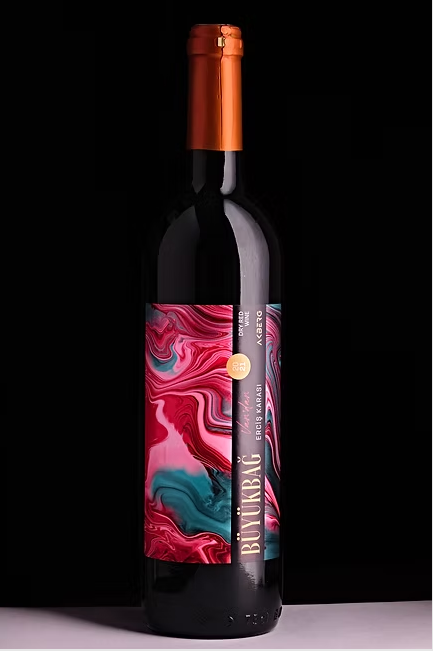
Grapes for this wine macerated for 20 days before fermenting in stainless steel vats and rested briefly on its gross lees before limited filtration and bottling. In order to provide a clear expression of the true nature of the Erciş Karası grape, the wine did not age at all in oak.
Fragrant pronounced layers of dried strawberry, cherry, black currant, and dried rose petals with plum and pomegranate in the foreground mingle with earthy undertones and a touch of coriander. Lively acidity highlights firm yet elegant tannins, creating a vibrant gentle structure with notes of black pepper ending with a polished, fresh finish.
While we sadly don’t have any in stock right now (that’s how good it is!), we are expecting more of Akberg’s Lethe Erciş Karası later this autumn. Its initial winemaking echoes that of Akberg’s Büyükbağ Erciş Karası with maceration and fermentation in stainless steel. Akberg’s winemaker then transfers this wine to 300 liter, one-year-old French and American oak barrels where it ages on the gross lees for three months before being bottled with limited filtration.
As always, you can enjoy and purchase this wine and many more at the Fine Turkish Wine Bottle Shop + Tasting Room, located in Houston's Montrose District at 1909 Dunlavy Street.
Andrea Lemieux is an international wine expert with particular expertise in Turkish Wine. She is the author of The Essential Guide to Turkish Wine, the world's only comprehensive English language book on Turkish wine. She is also the author of The Quick and Dirty Guide to Greek Wine and the founder of The Quirky Cork website which is dedicated largely to Turkish wine.


Comments