Turkish Wine Selection: Narince


In our month-by-month tasting plan, July is dedicated to the most popular native white grape in Turkey: Narince
Meet Narince
Not only is Narince just about the most popular native white grape with roughly 35% of Turkish wineries offering at least one, it’s also one of the most widely grown. Originally from the Black Sea region, Narince plantings can now be found across Thrace, Marmara, Aegean, Central Anatolia, and the Mediterranean.
The why behind this is more than just popularity. In its home in the Black Sea’s Tokat, few vineyards are owned by wineries (there are, in fact, only three licensed wineries in the Black Sea region). The vast majority are owned by third party growers who sell the grapes to winemakers and the leaves to companies that process the leaves.

Narince, which means delicate(ly) in Turkish, earned its name not for delicacy of taste but of the fruit itself. That extends to the leaves. You can’t actually use just any old leaf for food… well I mean you could, but some leaves are tougher and/or stringier than others, making for a not so nice eating experience. The delicacy of Narince leaves makes them ideal to use for preservation for foods like sarma (stuffed grape leaves).
For a time, this created a problem for winemakers. The leaves reach peak ripeness and are harvested long before grapes, leaving them exposed to risks of disease and sun and wind burn.
This need of having to rely on independent growers for ofttimes substandard fruit may be why Narince has spread so much around the country.
In the Vineyard
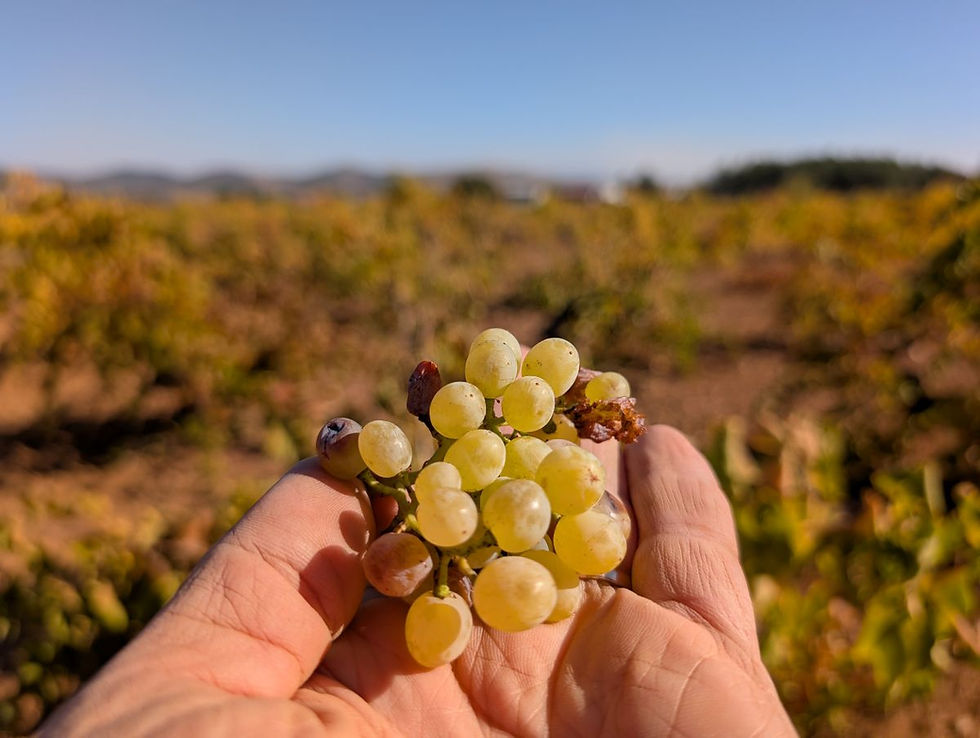
Narince grapes grow on large, heavy bunches. The grapes themselves are on the larger side, round, and take on a golden, yellow-green color as they ripen. It’s a late-ripening variety (thus that problem with the leaf harvesting), often not picked until late into September.

It offers some resistance to drought and does best in permeable (e.g. sandy or gravelly) soils but is susceptible to botrytis. Not the good botrytis that creates “noble rot” but the bad, bunch rot version of botrytis.
The sandy, gravelly soils and the Black Sea’s temperate climate are where Narince was born, but its spread across Turkey has revealed an impressive adaptability. While we agree that wine from a grape’s ‘home terroir’ may reveal its purest expression, some grapes, like Narince, have the remarkable ability to retain varietal character while highlighting how strongly climate and soil influence the wine.
Black Sea: You could call this “classic” Narince. The wines display an oily palate with overt apple and pear fruit and flowers.
Thrace: Narince offers variations even within Thrace. The varied soils of the Strandja Massif with pockets of quartz-heavy gravel, decomposed granite, limestone, sand, and chalk offer leaner, more citrus-forward wines.
Aegean: With its warmer climate and more fertile soils, Aegean Narince tends to offer riper fruit and a more rounded body.
Central Anatolia: Central Anatolia also offers different expressions of Narince. Grapes grown near Kalecik mirror Black Sea Narince although are less oily, while the volcanic soils of Kayseri give wines a racier, more mineral-driven character.
Mediterranean: High elevation and the shelly limestone bedrock of the Taurus Mountains create Narince wines with more vivid acidity and pronounced citrus flavors.

In the Winery
A great winemaker’s grape, Narince lends itself to a variety of styles and gives winemakers the chance to play a little. It does well with barrel aging and winemakers in Turkey are crafting richer, full-bodied wines by letting it rest on the lees in both oak and acacia.
The grape has also proved interesting in the production of skin-contact (aka amber or orange) wines, traditional method sparkling wine, and it does well in blends with both native and international grapes.
This flexibility in winemaking styles means it also goes with a wide range of foods and flavors. Ironically enough, it does especially well paired with stuffed grape leaves!
Wines to Try
We have several different Narince wines that offer a look at the grape's various styles and flavors.
Kuzubağ Narince - Chardonnay: Radiating with flavors of ripe yellow apple, tangy lime, and subtle herbs. Crisp acidity delivers a zesty rush, showing off the wine’s altitude-driven quality. Stony mineral undertones are supported by a touch of creamy texture, balancing the lively acid core. A gentle touch of bitterness adds a polished edge and refined mouthfeel.
Arda Rezerv Narince: Think of Chardonnay but sexier and more refined. Fragrant citrus, gardenia, honeysuckle and herbs on the nose with flavors of tropical pineapple, yellow apple and lemon zest, all rounded by a long toasty and savory textured finish. Enjoy this well-rounded and complex wine now with light dishes and meze or age for a deeper more versatile experience.
Odrysia Narince: Bright aromas of ripe apple, lemon zest and white peach open to light and airy notes of grapefruit, lime zest, apricot and tropical mango. Undertones of savory herbs, salinity and minerality round out this fruit forward and strikingly fresh wine made from one of Turkey's premier local white grape varietals: Narince.
Odrysia Nareen - Cuvee Michel Salgues Sparkling Wine: A visual sign of finesse and quality with a small and steady bubble stream. Lively aromas of golden apple and lemon juice awaken the senses. An elegant, rich texture with bitter lemon peel to cleanse as wet, sandy minerality and fresh pastry adds extra complexity. Crisp acidity adds lift but never overwhelms the gentle thyme and bay leaf notes, ending with a lingering herbaceous and bready finish. Delicate and complex, with balanced refinement and deep character.
As always, you can enjoy and purchase this wine and many more at the Fine Turkish Wine Bottle Shop + Tasting Room, located in Houston's Montrose District at 1909 Dunlavy Street.
Andrea Lemieux is an international wine expert with particular expertise in Turkish Wine. She is the author of The Essential Guide to Turkish Wine, the world's only comprehensive English language book on Turkish wine. She is also the author of The Quick and Dirty Guide to Greek Wine and the founder of The Quirky Cork website which is dedicated largely to Turkish wine.


Comments